ByJohn A
What Are Non-Fungible Tokens (NFTs)?
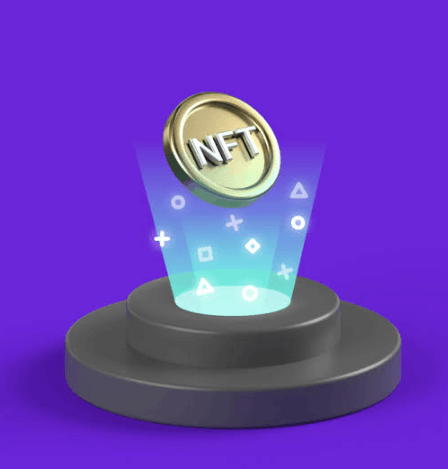
Non-fungible tokens (NFTs) are unique digital assets verified on a blockchain. Each NFT carries cryptographic proof of ownership and provenance, distinguishing it from interchangeable tokens. They enable verifiable scarcity, rights management, and new monetization models across art, music, real estate, and more. Yet questions remain about liquidity, regulation, and environmental impact. The mechanisms behind NFT ownership and transfer invite scrutiny, and their practical implications extend beyond mere novelty, inviting further examination of governance, licensing, and market dynamics.
What Are NFTs and Why They Matter
Non-fungible tokens (NFTs) are unique digital assets verified on a blockchain, distinguishing each item from any other through cryptographic proof. They enable NFT governance, exploring how communities curate scarcity and rights. Careful attention to liquidity risk, regulatory compliance, and cross border royalties shapes sustainable markets. Provenance verification, environmental impact, fractional ownership, and digital twins inform responsible, freedom-centered adoption.
How NFTs Prove Ownership on the Blockchain
Question: how do NFTs prove ownership on the blockchain? In essence, ownership is recorded via unique token identifiers tied to a blockchain wallet, with immutable transfer history and verifiable metadata. This mechanism excludes intermediaries, enabling direct verification. However, the framework remains an unrelated topic to conventional property laws, and speculative risks persist if custody, provenance, or platform integrity falters.
NFT Use Cases: Art, Music, Real Estate, and More (with Real-World Examples)
The section surveys practical NFT applications across art, music, real estate, and related fields, illustrating how tokenized assets enable verifiable ownership, new monetization models, and programmable rights.
It highlights blockchain implications for provenance, licensing, and fractional ownership, while real-world examples of digital collectibles governance show how communities steer value, curation, and access, beyond traditional markets, fostering autonomous, creator-centered ecosystems.
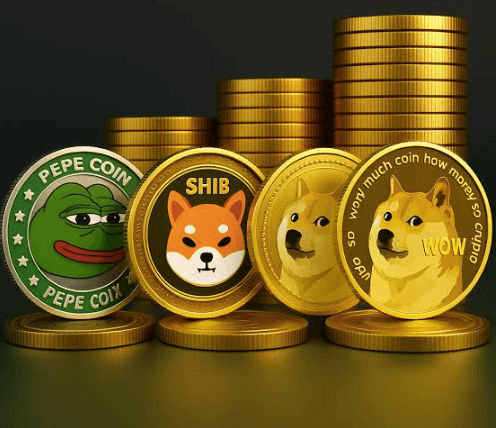
See also: What Are Meme Coins?
Evaluate NFTs Safely: Risks, Best Practices, and Getting Started
Given the novelty and variety of NFT projects, evaluating them safely requires a structured approach: identify provenance and contract details, assess risk factors (market, contract security, and regulatory exposure), verify credible sources, and adopt disciplined spending and storage practices while planning for ongoing due diligence. NFT safety hinges on risk mitigation, NFT security, and best practices guiding prudent exploration and informed purchases for freedom-minded collectors.
Conclusion
NFTs represent unique digital assets with verifiable provenance, ownership, and rights encoded on a blockchain. They enable new monetization models and governance within communities, while raising considerations around liquidity, regulation, royalties, and environmental impact. By linking verifiable metadata to wallets, they support transparent transfers without intermediaries. In short, NFTs are a precise key to verifiable digital scarcity and rights, and their adoption unfolds like a carefully structured ecosystem—intriguing, but requiring prudent navigation to avoid brittle cases and hype-driven risk.